


OPINION | Rising heat, rising risk: Regional policy actions
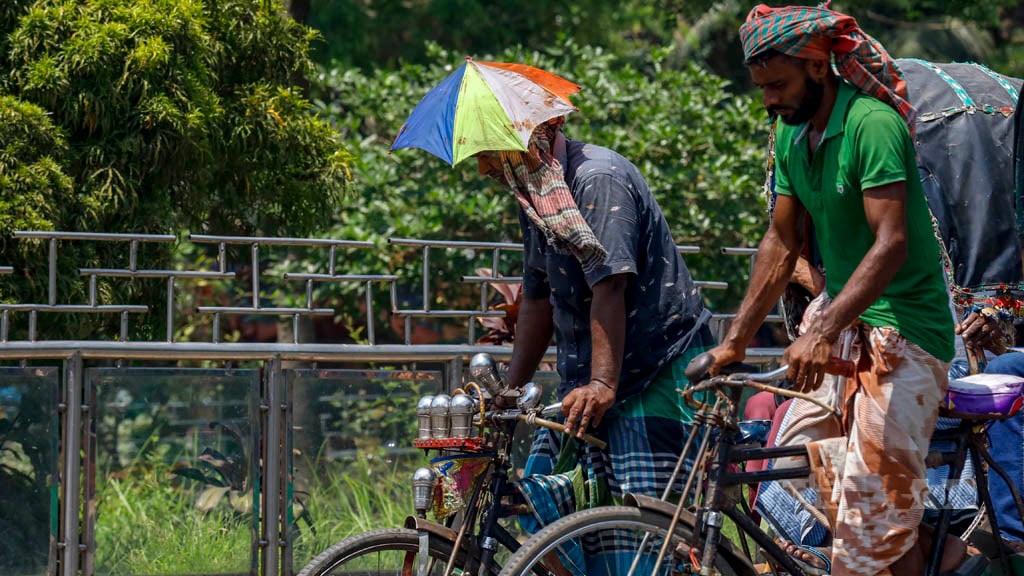
The key priority is to move from reactive heat risk management to long-term, science-informed strategies. At the local level, nature-based solutions such as trees lining streets, urban parks, green roofs and wetland conservation help lower urban temperatures. ESCAP can leverage existing cooperation to share Earth observation data and technical expertise for mapping and monitoring heat exposure and city vulnerability to urban heat island effects. This information enables greater precision in forecasting and quantifying heat risk, as well as for issuing timely heat alerts. ESCAP stands ready to support countries in these endeavours – as we prepare for an ever-hotter world.
Source: bd News24 November 22, 2025 19:02 UTC